

Affiliate disclosure: This post contains affiliate links. If you buy through them, I may earn a small commission — at no extra cost to you. I only recommend products I'd point a friend to, and my editorial opinions are my own. Full disclosure here.
Exclusive pumping is its own sport. You're not topping up a few times a week — you're the whole milk supply, which usually means six to eight sessions a day, every day, for months. That changes which pump is "best": it stops being about the single biggest suction number and becomes about the pump you'll actually keep reaching for at 3 a.m. and again on your lunch break. So this guide splits the field into the two things that matter when you live with a pump all day — cord-free freedom versus maximum, reliable output — and ranks honestly within each.
To be clear about method: I didn't run a controlled output trial, and you should be skeptical of any affiliate post that claims it did. I pulled every price and spec from each brand's current US product pages, labeled every headline suction figure as a manufacturer claim, and gave each pump an editorial "Our score" — my opinion, not a customer average. Where a different brand genuinely beats my top pick on a specific axis, I say so plainly.
Key Takeaways
- Best overall — highest output & best hygiene: the Spectra S1 Plus — a hospital-grade, closed-system tabletop at a Spectra-stated 270 mmHg with a built-in battery. It pulls harder and empties more thoroughly than any wearable here, so it takes the top spot — it just isn't cord-free.
- Best value cord-free pick for most exclusive pumpers: Momcozy S12 Pro — in-bra freedom so you can pump 6–8× a day while you move, at the lowest credible wearable price ($139.99). Lower output than the Spectra, but the cord-free pump you'll keep using.
- Slimmest wearable: the Momcozy Mobile Style M6 at 2.87 in. thick, for discreet pumping at work.
- The real decision: wearable freedom or maximum output — very few pumps give you both. Many exclusive pumpers end up with one of each. See our wearable roundup and Spectra S1 vs Momcozy for the head-to-head.
How I evaluated these pumps for exclusive pumping
Exclusive pumping rewards different things than occasional pumping, so I weighed five: how completely and efficiently it empties (your whole supply depends on it); how sustainable the routine is (cord-free vs. tethered, weight, noise); capacity and cleanup (more sessions a day means more parts to wash); hygiene architecture (closed vs. open system); and price for what you get. I've ranked the picks by honest editorial merit, so the genuine output and hygiene champion leads, with the best-value cord-free wearable for most exclusive pumpers right below it — and I tell you exactly when to choose freedom over raw output. For the full primer on pump types, flange sizing and getting a pump through insurance, start with our breast pump buying guide.
The best breast pumps for exclusive pumping at a glance
| Pump | Best for | Type & suction (brand-stated) | Price |
|---|---|---|---|
| Spectra S1 Plus | Best overall — highest output & closed system | Tabletop, closed; 270 mmHg; rechargeable | $225.99 |
| Momcozy S12 Pro | Best value cord-free pick for most | In-bra wearable; -292 mmHg; ~8 sessions/charge | $139.99 |
| Spectra S2 Plus | Closed system on a budget | Tabletop, closed; 270 mmHg; corded only | $177.99 |
| BabyBuddha 2.0 | Portable, fast emptying | Lanyard motor, closed; 15 settings; ~6.8 oz | $204.99 |
| Willow Go | Premium cord-free headroom | In-bra; up to 295 mmHg/side; 5 oz/side | $244.99 |
| Momcozy Mobile Style M6 | Slimmest wearable | In-bra; -285 to -300 mmHg; 2.87 in. thick | $229.99 |
| Medela Pump In Style MaxFlow | Easiest to source / insurance | Tabletop, closed; 240 mmHg; corded (+AA) | $159.99 |
| Elvie Pump | Quietest / most discreet | In-bra, tube-free; up to 220 mmHg; app | $384.99 |
Prices and specs verified from each brand's US product page (linked below) as of June 2026. Sale and variant prices change often — treat the brand site's price as the source of truth. Suction figures are manufacturer-stated.
1. Spectra S1 Plus — best overall: highest output and best hygiene
Spectra S1 Plus
The output-and-hygiene benchmark for exclusive pumping: a closed-system, hospital-grade double electric at a Spectra-stated 270 mmHg with a built-in rechargeable battery. Tethered and ~3 lb — the trade-off for the most thorough emptying.
Check price at Spectra →Let me be completely straight: if your single priority is getting the most milk out as efficiently as possible, the Spectra S1 Plus — not a wearable — is the pump exclusive pumpers reach for, and it takes the top spot here on raw output and hygiene. It's a hospital-grade double electric with a Spectra-stated 270 mmHg of suction and a closed system: a backflow barrier keeps the milk pathway isolated from the motor, both a hygiene advantage and the reason these pumps stay strong over heavy long-term use. Its edge over the S2 is a built-in rechargeable battery, so you can pump unplugged. The trade-off is exactly the one the cord-free S12 Pro below solves: it's a tabletop pump, around three pounds with bottles and tubes, so you stay near the unit each session. For a lot of exclusive pumpers the answer isn't either/or — a Spectra at home, a wearable for the road — but if I had to name the pump that empties best for the price, it's this one, and I won't pretend a wearable out-suctions it.
- Pros: highest stated output here paired with closed-system hygiene; built-in rechargeable battery (pump unplugged); proven hospital-grade workhorse for heavy long-term schedules; adjustable cycle and suction.
- Cons: tethered tabletop, ~3 lb — not hands-free or discreet; more parts to wash than a wearable; flanges and bottles to carry; not something you pump in while walking around.
2. Momcozy S12 Pro — best value cord-free pick for most exclusive pumpers

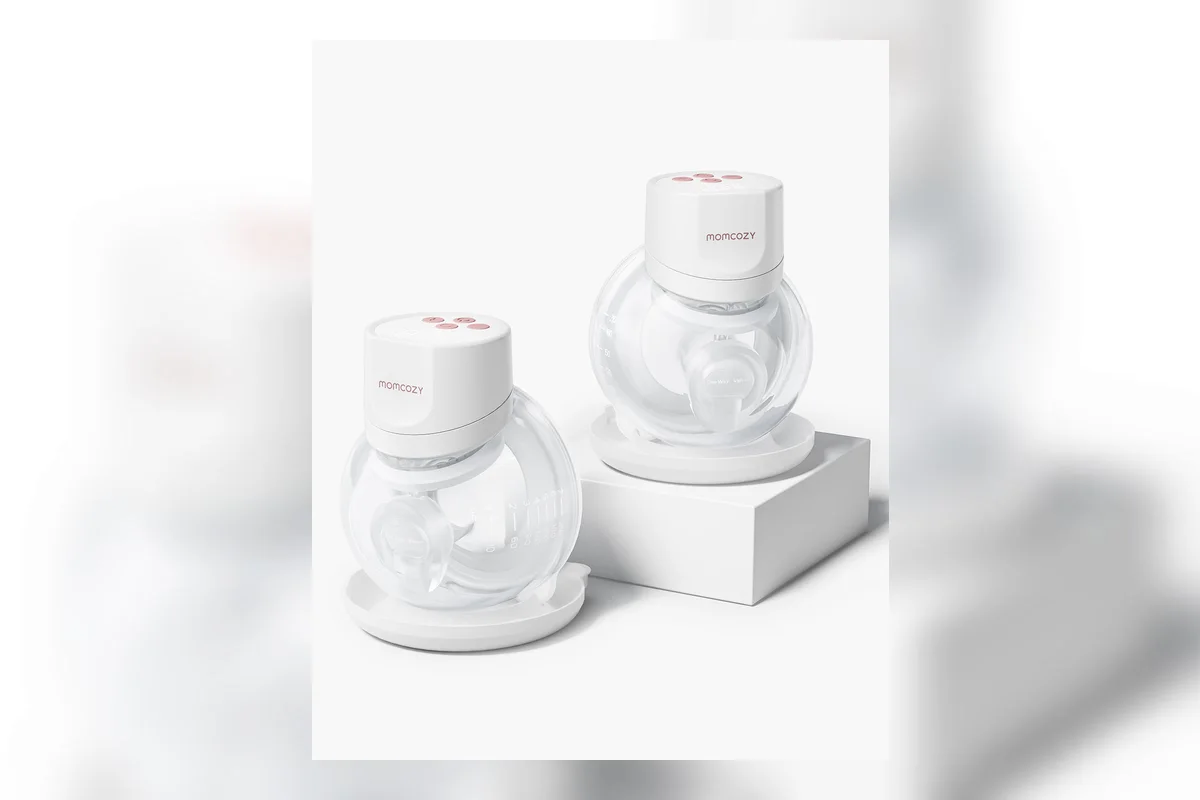
Momcozy S12 Pro Quick Wearable Breast Pump
Cord-free in-bra freedom for 6–8 sessions a day at the lowest credible wearable price. Momcozy-stated -292 mmHg, a 4-part cleanup and ~8 sessions per charge. Not the strongest pump here, but the cord-free one you'll keep using.
Check price at Momcozy →When you pump every two or three hours around the clock, the single biggest factor in whether you'll stick with it is friction — and a tethered pump is friction. That's why my best-value pick for most exclusive pumpers is a wearable, and the Momcozy S12 Pro hits the best balance of freedom, output and price. It drops fully in your bra — no cords, no tubes, nothing on a table — so you can pump while you fold laundry, drive, or hold the baby with your other arm. Momcozy states -292 mmHg of suction, which is plenty for routine emptying, and it pairs that with a streamlined 4-part design and the DoubleFit hybrid flange (fewer parts to wash matters enormously when you're cleaning kit six times a day). The battery is Momcozy-stated at around eight sessions per charge, it runs under 46 dB, and the double set is $139.99 with single cups from $74.99 — about as low as a credible wearable gets.
Here's the honest framing: the S12 Pro is not the highest-output pump in this guide. A hospital-grade tabletop like the Spectra S1 above pulls harder and empties more thoroughly per session, and if your supply is fragile or you're trying to build it, that matters. But for the much larger group of exclusive pumpers maintaining an established supply, the pump you can wear and forget beats a stronger pump that keeps you pinned to an outlet — because the best pump is the one you don't dread using. The Spectra wins overall on raw output; the Momcozy wins on cord-free freedom and value. If you want to see exactly how it stacks against the output champion, I broke it down in Spectra S1 vs Momcozy.
- Pros: fully cord-free and in-bra; lowest credible wearable price (cups from $74.99); Momcozy-stated -292 mmHg; only 4 parts to clean; DoubleFit hybrid flange; quiet under 46 dB; ~8 sessions per charge (Momcozy-stated).
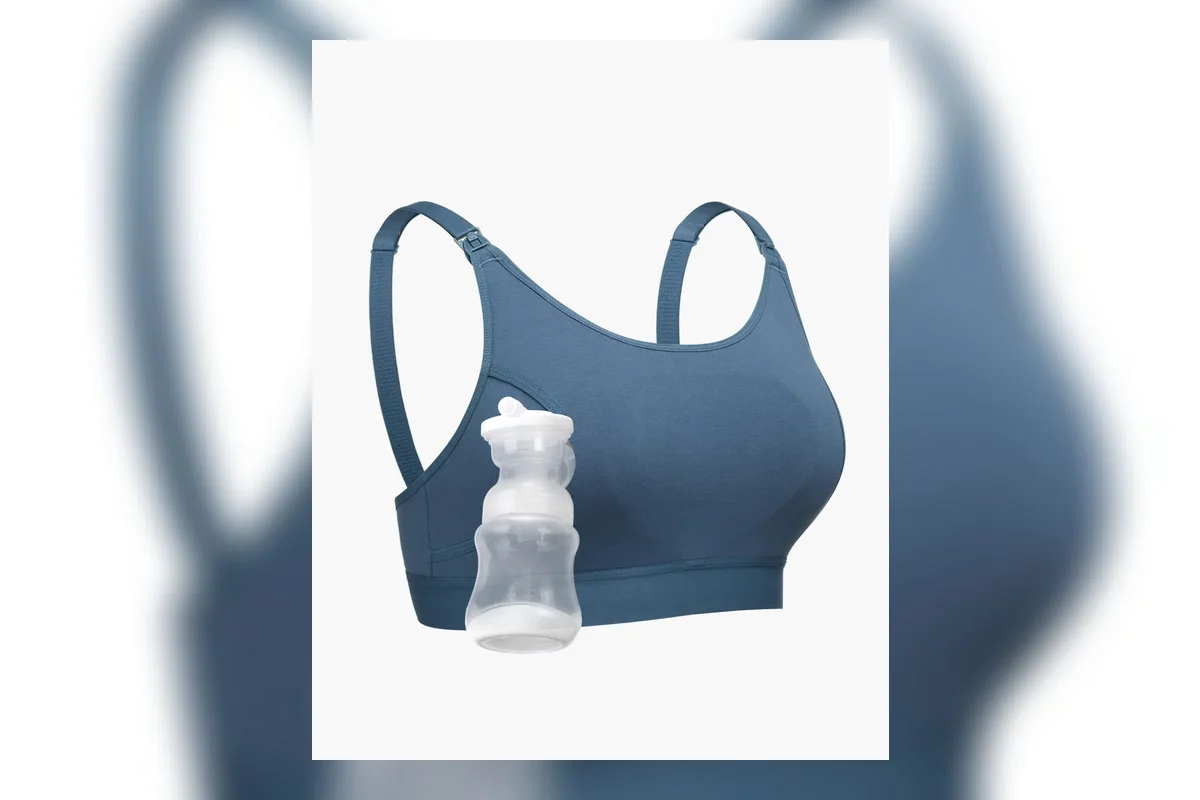
- Cons: lower output than a hospital-grade tabletop; no app or milk tracking; as an in-bra cup pump it's position-sensitive — if the cup shifts off-center the seal can break and output drop (a snug pumping bra fixes most of this); open-system cups need diligent cleaning.
3. Spectra S2 Plus — closed-system output on a budget
Spectra S2 Plus
The same closed-system, Spectra-stated 270 mmHg output as the S1 for ~$48 less. The catch: it's plug-in only, with no built-in battery.
Check price at Spectra →The Spectra S2 Plus is the S1's value twin. It shares the same closed-system architecture and the same Spectra-stated 270 mmHg of suction — so on raw emptying performance you give up nothing — at $177.99 versus the S1's $225.99. The one meaningful difference is power: the S2 has no built-in rechargeable battery, so it's plug-in only. For an exclusive pumper who's always within reach of an outlet (pumping at home and at a desk, say), that's an easy ~$48 to save. If you ever want to pump in the car, in a nursing room without a handy plug, or during a power blip, the S1's battery is worth the difference. It's a clean either/or based purely on where you pump.
- Pros: same closed system and Spectra-stated 270 mmHg as the S1 for less; lighter at ~2.5 lb; proven hospital-grade emptying.
- Cons: plug-in only — no battery, so you're chained to an outlet; same tethered, non-discreet form factor as the S1.
4. BabyBuddha 2.0 — portable power for fast emptying
BabyBuddha 2.0
A tiny ~6.8 oz motor on a lanyard drives standard bottles, with 15 settings and a closed system. More portable than a Spectra, less invisible than a wearable.
Check price at BabyBuddha →The BabyBuddha 2.0 is the answer for exclusive pumpers who want a strong, thorough pump that's still portable. Instead of a tabletop unit or in-bra cups, you get a tiny ~6.8 oz motor that hangs on a lanyard and drives standard collection bottles through short tubes. It's a closed system with 15 settings, it's rechargeable, and the original model held FDA 510(k) clearance K151284 — owners consistently praise how fast and completely it empties. The honest position: it's a middle ground. You're still tethered to the motor by the tubes, so it's not hands-free in the way a wearable is, but it's dramatically more portable than a three-pound Spectra. If you move around the house a lot but want more power than a budget wearable, it threads that needle.
- Pros: very portable for a powerful pump; closed system; 15 settings; rechargeable; uses standard bottles; original held FDA 510(k) clearance (K151284); strong reputation for fast, thorough emptying.
- Cons: not truly hands-free — short tubes tether you to the lanyard motor; pricier than the budget wearables; learning curve to dial in settings.
5. Willow Go — premium cord-free headroom
Willow Go
In-bra wearable with Willow-stated up to 295 mmHg per side, 15 levels and a generous 5 oz capacity — so you reset less often on a heavy schedule. Much pricier than the Momcozy wearables.
Check price at Willow →If you want cord-free freedom but with more output headroom and capacity than the budget wearables, the Willow Go is the premium in-bra option. Willow states up to 295 mmHg per side, 15 levels, and a roomy 5 oz per side with up to eight sessions per charge — that 5 oz capacity is genuinely useful for an exclusive pumper, because you empty and reset cups less often across a day of heavy sessions. It sits at #5 purely on value: at $244.99 (down from $349.99) it costs far more than the Momcozy wearables that deliver similar core freedom, so it's the pick when you specifically want a higher-end wearable and the budget is there. For a fuller cross-brand wearable comparison, see our best wearable breast pumps roundup.
- Pros: cord-free in-bra freedom; Willow-stated up to 295 mmHg per side; 15 levels; generous 5 oz/side capacity; up to 8 sessions per charge.
- Cons: far pricier than the Momcozy wearables for similar core freedom; proprietary containers/bags add to running cost; like all in-bra cups, fit and positioning matter.
6. Momcozy Mobile Style M6 — slimmest wearable for work

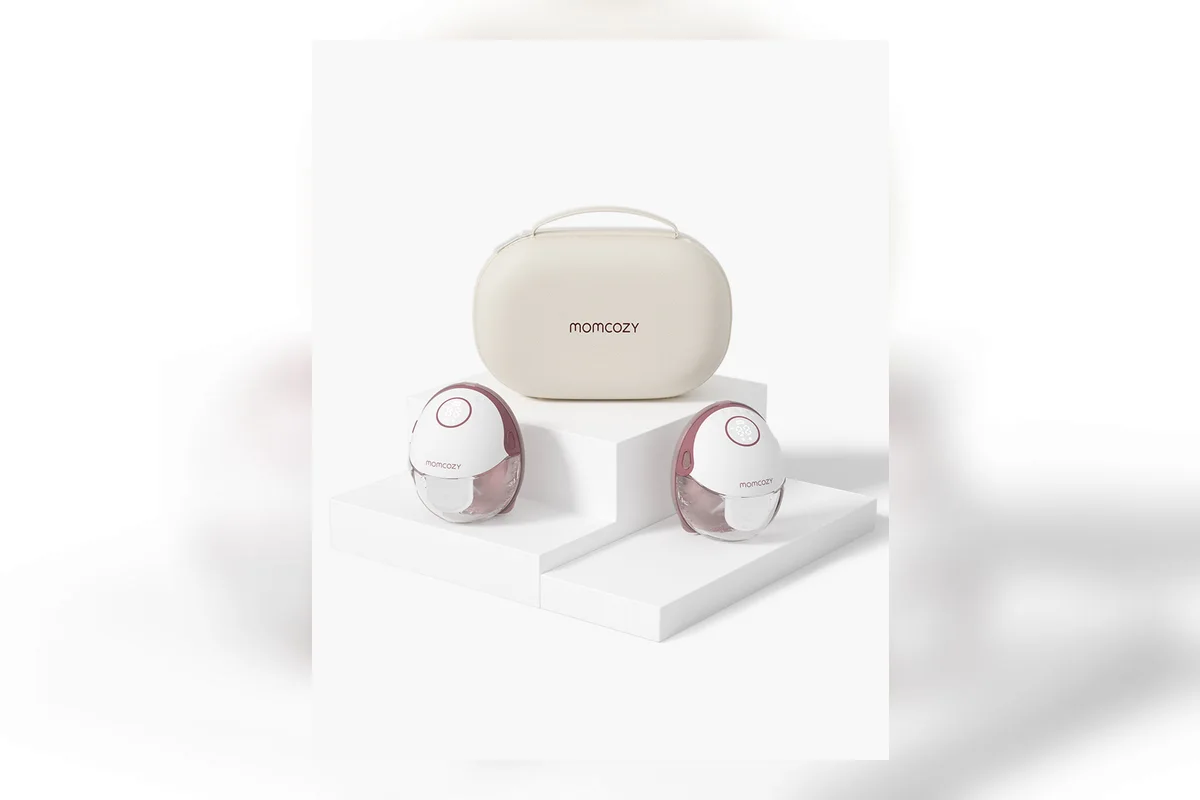
Momcozy Mobile Style M6
At 2.87 inches thick it sits flatter under a fitted top than most wearables, with strong Momcozy-stated -285 to -300 mmHg suction. No app, heavier at ~10 oz, and the priciest Momcozy here.
Check price at Momcozy →If you're pumping exclusively and back at work or out in public for some of those sessions, discretion stops being a luxury. The Mobile Style M6 earns its spot on one strength: at 2.87 inches thick it protrudes noticeably less under a fitted top than a bulkier cup, and it doesn't compromise on power — Momcozy states -285 to -300 mmHg, three modes and nine levels, with a 24 mm flange — so you can fit sessions into a normal day without telegraphing them. Two honest trade-offs keep it at #6: there's no app, and at roughly 10 oz it's the heaviest pump here (a fuller cup can tug at a softer bra), at the priciest Momcozy price on this list, $229.99. If pure slim-under-clothes discretion is your top need it's the wearable I'd choose; otherwise the S12 Pro gives you most of the same freedom for $90 less.
- Pros: slim 2.87-inch profile for genuine discretion; strong Momcozy-stated -285 to -300 mmHg; 3 modes / 9 levels; fully cord-free.
- Cons: no app; heaviest pick here at ~10 oz; most expensive Momcozy on this list; like all in-bra cups, position-sensitive.
7. Medela Pump In Style with MaxFlow — easiest to source
Medela Pump In Style with MaxFlow
A trusted corded double: Medela-stated 240 mmHg, closed system, MaxFlow + 2-Phase Expression, ~1.18 lb. The pump that's easiest to get parts, support and insurance coverage for.
Check price at Medela →The Medela Pump In Style with MaxFlow is the safe, ubiquitous standard, and frequently the exact model your insurance plan supplies for free (worth checking before you buy anything — see our guide to getting a breast pump through insurance). It's a closed-system double electric with Medela-stated 240 mmHg, the well-known 2-Phase Expression rhythm and MaxFlow technology, and at ~1.18 lb the motor is light. Its output is a touch below the Spectra's, and it's mainly corded (with an AA-battery backup), so for an exclusive pumper it's less about peak performance and more about reliability and the unmatched ease of finding parts, replacement membranes and support anywhere. If you value a known quantity from the biggest name in pumps — or insurance hands you one — it's a perfectly sound exclusive-pumping pump.
- Pros: trusted, widely available, easy to get parts and support; closed system; light motor (~1.18 lb); 2-Phase Expression; often covered by insurance; AA-battery backup.
- Cons: lower stated suction (240 mmHg) than the Spectra; mainly corded; not hands-free or wearable.
8. Elvie Pump — quietest and most discreet
Elvie Pump
The quietest, most refined wearable, with a sealed tube-free design and app control. The catches for exclusive pumping: it's the most expensive here and has the lowest stated suction (up to 220 mmHg).
Check price at Elvie →The Elvie Pump is the most refined wearable on the market — sealed and tube-free, app-controlled, and genuinely quiet, at ~225 g per hub with five to six sessions per charge. For exclusive pumping, though, two honest catches drop it to last. First, price: at $384.99 it's by far the most expensive pump in this guide. Second, output: Elvie states suction up to 220 mmHg, the lowest figure in this lineup — and when you're emptying fully six to eight times a day, the strongest comfortable suction earns its keep. So I'd point an exclusive pumper here only if whisper-quiet, maximally discreet operation is the thing you'll pay a premium for; if output and value matter more, the picks above serve you better. I dig into its strengths and limits in my Elvie Pump review.
- Pros: quietest and most discreet wearable; sealed tube-free design; app control; light per-hub weight (~225 g).
- Cons: most expensive pump here ($384.99); lowest stated suction (up to 220 mmHg) — a real consideration for full daily emptying; 5–6 sessions per charge is fewer than some rivals.
How to choose a pump when you're exclusively pumping
Decide freedom vs. output first — most pumps optimize for one. A wearable lets you pump while you live your life, the single best predictor of sticking with an exhausting 6–8-sessions-a-day routine; a hospital-grade tabletop empties more thoroughly per session and runs a closed system. Both are valid, and many exclusive pumpers own one of each — match the pump to where and how you'll actually pump.
Don't chase the biggest suction number, and remember frequency is the real lever. The pumps here cluster between roughly 220 and 300 mmHg (all manufacturer-stated), and past a comfortable threshold a higher number doesn't mean more milk. The U.S. FDA's guidance on choosing a breast pump stresses getting the right breast-shield size and starting at the lowest comfortable setting, not maxing out the dial. Supply responds to how often and how completely you remove milk — efficient, frequent sessions, not any single "supply-boosting" feature. (For the technique side, see our guides to power pumping and increasing milk supply while pumping.)
Get the flange size right before anything else. A flange that's too big or too small hurts and underperforms regardless of the motor, which is why I value pumps that include multiple sizes (the DoubleFit flange on the S12 Pro) — measure first; our flange sizing guide walks through it. Once you're producing milk, store it by the CDC's milk-storage guidelines: up to 4 hours at room temperature, up to 4 days in the fridge, and about 6 months (up to 12) in the freezer.
Frequently asked questions
It depends on what you optimize for. On output and hygiene the best overall is the Spectra S1 Plus ($225.99): a closed-system, hospital-grade tabletop, Spectra-stated 270 mmHg, that empties more thoroughly than any wearable here — it's just tethered, not cord-free. If cord-free freedom matters more, the best-value pick for most exclusive pumpers is the Momcozy S12 Pro ($139.99): an in-bra wearable, Momcozy-stated -292 mmHg, that lets you fit 6–8 sessions a day into real life, which is a strong predictor of sticking with it. Many exclusive pumpers own one of each.
Yes, for a great many people — the catch is fit and consistency. A wearable like the Momcozy S12 Pro removes milk efficiently when the flange size is right and the cup stays positioned, and its hands-free freedom makes a punishing schedule sustainable. Some exclusive pumpers with a fragile or building supply prefer the more thorough emptying of a hospital-grade tabletop like the Spectra for some sessions. A common setup is a tabletop at home plus a wearable for work and outings.
On stated figures they're close, but the comparison isn't only the number. The Momcozy S12 Pro is Momcozy-stated at -292 mmHg and the Spectra S1 Plus is Spectra-stated at 270 mmHg, yet the Spectra is a closed-system hospital-grade tabletop widely regarded for more thorough, reliable emptying over heavy long-term use, while the Momcozy wins on cord-free convenience and price. Don't read it as "Momcozy out-suctions Spectra"; read it as wearable freedom vs. tabletop emptying. See our full Spectra S1 vs Momcozy comparison.
Exclusive pumpers typically pump 6–8 times in 24 hours in the early months to establish and maintain a full supply, often gradually dropping sessions later as supply regulates. Because milk production responds to how often and how completely you remove milk, frequency and full emptying matter more than any single pump feature. That heavy schedule is exactly why a pump you find easy to use — comfortable, quick to clean, and convenient — beats a marginally stronger one you'll resist reaching for.
A closed system (the Spectra S1/S2, Medela MaxFlow, BabyBuddha) has a barrier that isolates the milk pathway from the motor, which helps keep the air path clean and helps the pump hold its performance over heavy use. Many in-bra wearables, including the Momcozy cups in this guide, are open-system designs, so diligent cleaning after each session matters more. For exclusive pumping with many sessions a day, a closed system is a reasonable priority — weigh it against the freedom a wearable gives you.
Often, yes. In the U.S., most insurance plans cover a breast pump, and a standard double electric like the Medela Pump In Style is one of the models frequently supplied. It's worth checking your coverage before buying anything, since you may be able to get a capable closed-system pump at no cost and add a wearable separately for hands-free sessions. Our guide to getting a breast pump through insurance walks through how to do it.