

Affiliate disclosure: This post contains affiliate links. If you buy through them, I may earn a small commission — at no extra cost to you. I only recommend products I'd point a friend to, and my editorial opinions are my own. Full disclosure here.
Yes — the Medela Pump in Style is still a dependable daily pump in 2026, especially as a free-through-insurance plug-in for home or work, but it's a corded, stationary pump at heart, so if you want to pump cordless and on the move you'll want to pair it with (or swap it for) a true in-bra wearable. I'm a former cosmetic chemist, so I'd rather read a spec sheet than a launch video, and the Pump in Style is one of those legacy products where it pays to know exactly which version you're buying — because Medela now sells three quite different things under that name.
This review untangles the current lineup, names where the Pump in Style genuinely earns its decades-old reputation, and is honest about the one thing it mostly can't do — disappear into your bra. Every price and spec below is pulled from Medela's own pages or a reputable retailer and verified in June 2026.
Key Takeaways
- There isn't one "Pump in Style" anymore. The current US lineup is the corded Pump in Style with MaxFlow, the newer rechargeable Pump in Style Pro / Pro+, and the in-bra Pump in Style Hands-Free. They're built differently and priced differently.
- Real strengths: a trusted hospital-adjacent clinical brand, a reliable motor, a hygienic closed system, and — the big one — it's one of the pumps insurance most often covers in full.
- Honest catch: the classic Pump in Style is corded and tethered — you sit near an outlet. The in-bra Hands-Free version exists but is newer and pricier.
- Suction is in the normal band. Medela lists up to 295 mmHg; like every pump, real-world output depends far more on flange fit than on the headline number.
- For true mobility, a cordless in-bra wearable like the Momcozy M5 is the modern companion to keep alongside a plug-in Medela.
First, which "Pump in Style" do you mean?
This trips up almost everyone, so let's clear it up before any verdict. "Pump in Style" is a 25-year-old Medela product line, not a single pump, and in 2026 it spans three meaningfully different models:
- Pump in Style with MaxFlow — the "classic" double-electric pump most people picture: a small motor unit with tubing that runs to standard collection bottles. It plugs into the wall and also runs on a battery pack (AA batteries). MaxFlow refers to Medela's micro-vibration technology in the motor. This is the corded daily pump, and it's typically around $260 at list (about $261 when I checked a major review).
- Pump in Style Pro / Pro+ — the newer version of that same corded pump, but with a built-in rechargeable battery (roughly 60+ minutes per charge) so you're not tied to AA batteries. It's the model Medela now pushes hardest through insurance. Medela lists up to 295 mmHg suction here.
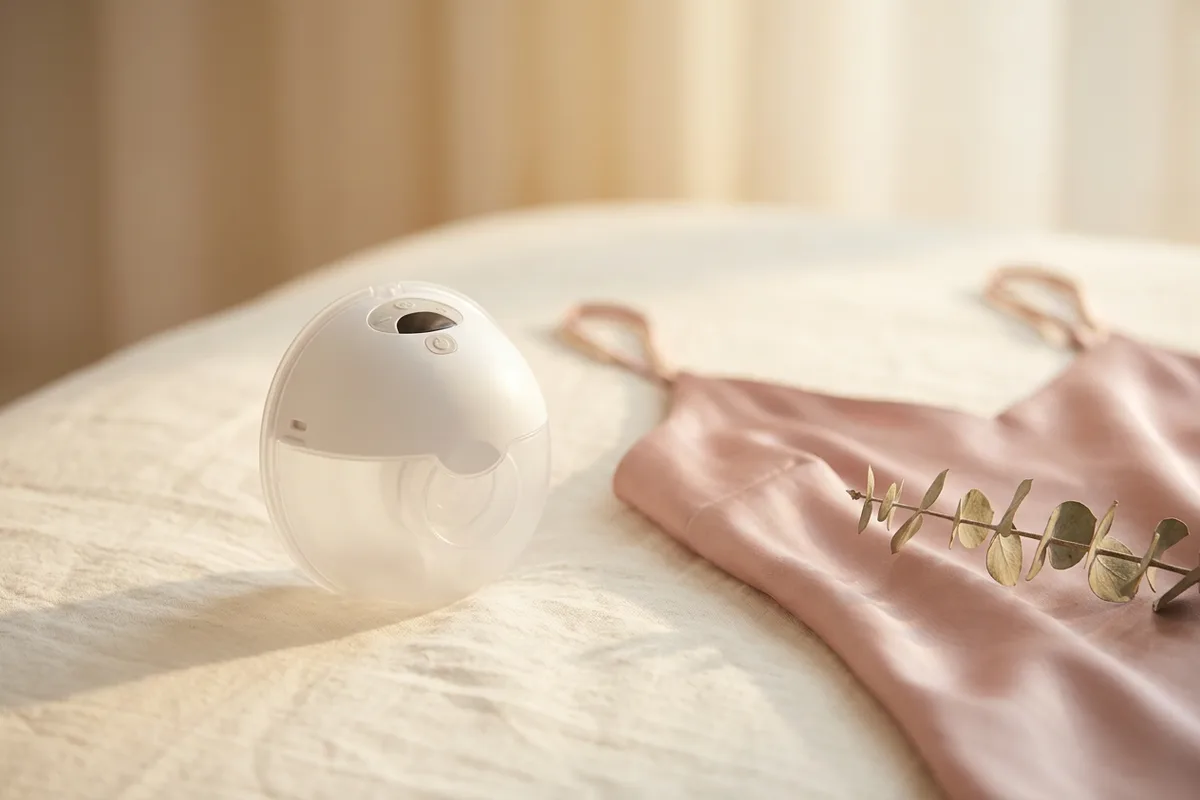
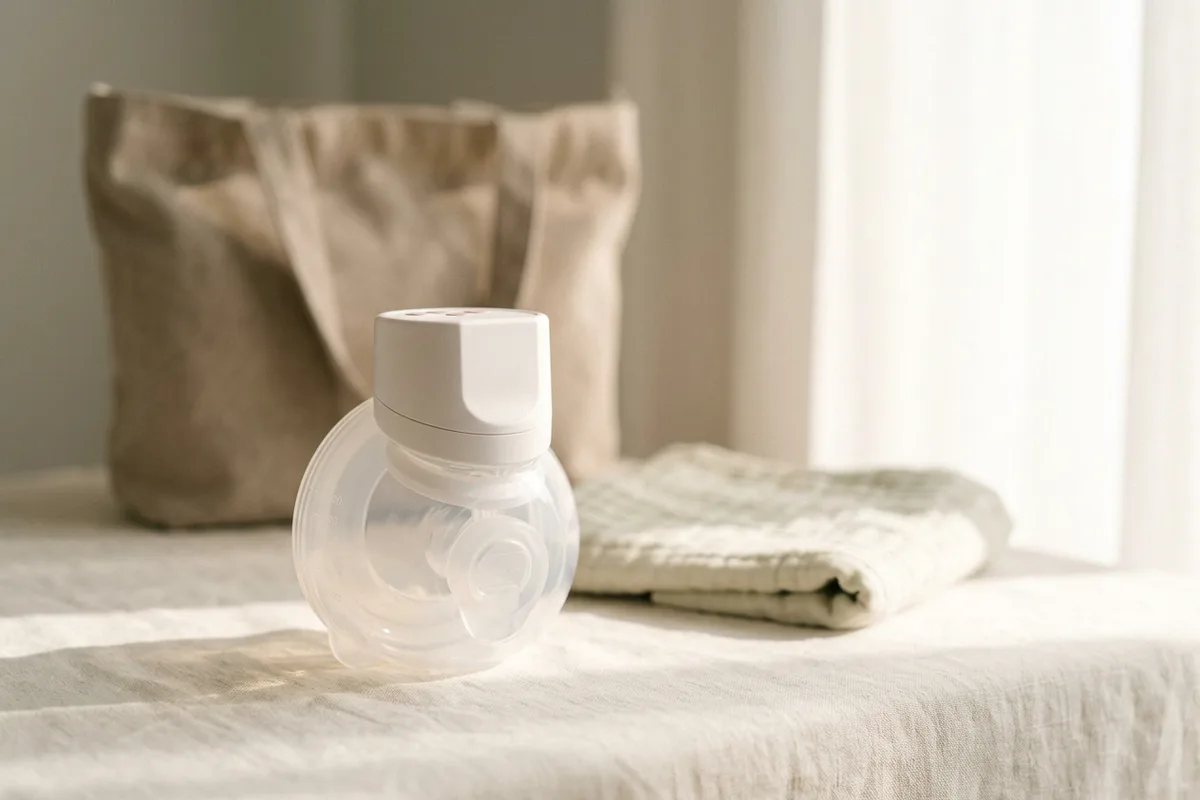
- Pump in Style Hands-Free — the in-bra variant. It swaps the bottles for lightweight wearable collection cups (about 2.7 oz / 77 g each) that sit in your bra, but the motor still connects to those cups by tubing. It's "hands-free," not fully cordless, and it's the newest and priciest branch of the family.
Why this matters: a lot of "Medela Pump in Style is bulky and has cords" complaints are really about the classic MaxFlow, while "it's expensive" reactions are usually about the Hands-Free. Knowing which one you're comparing is half the battle.
Medela Pump in Style lineup at a glance
| Model | Form factor | System & key specs | Price |
|---|---|---|---|
| Pump in Style with MaxFlow | Corded motor + bottles; AA battery pack | Closed system; up to 295 mmHg; 2-Phase, 10 levels; ~1.5 lb motor | ~$260 list (often $0 via insurance) |
| Pump in Style Pro / Pro+ | Corded + built-in rechargeable battery | Closed system; up to 295 mmHg; 2-Phase; 60+ min per charge; ~1.2 lb | Often $0 via insurance ("most plans cover in full") |
| Pump in Style Hands-Free | In-bra collection cups (motor still tubed) | Closed system; 2-Phase + MaxFlow; 10 levels; 2.7 oz cups; 105° shields | Highest of the three (varies by retailer) |
Specs verified from Medela's US product and insurance pages and a major independent review as of June 2026. Medela funnels most buyers through insurance/DME partners rather than a single list price, so treat retailer and insurance quotes as the live source of truth.
Where the Pump in Style genuinely earns its reputation
It would be easy to write off a legacy pump as outdated, but that's lazy — the Pump in Style does several things genuinely well, and they're the reasons it's still a default recommendation in hospitals and lactation offices.
Clinical trust and a proven motor. Medela is the brand most US parents have actually seen in a hospital, and the Pump in Style uses the same 2-Phase Expression rhythm (a fast "stimulation" phase to trigger let-down, then a slower "expression" phase) that the company built its clinical reputation on. Medela cites research that its breast-shield technology helps pump 11.8% more milk in less time — a manufacturer figure, so read it as "designed around let-down science," not a promise for every body. The motors are workhorses: the classic corded version in particular has a long track record of running reliably for months of daily pumping.
It's a closed system. This is the spec I care about most as a chemist, and it's easy to miss in the marketing. The current Pump in Style models use a closed-system design with a barrier so that, used as instructed, milk can't get into the tubing or motor. Medela's own Hands-Free page puts it plainly: "milk cannot get into the tubing when used as instructed." A closed system is more hygienic and easier to keep clean than an open one, because the parts that touch milk stay separate from the parts that don't.
It's the insurance pump. Under the Affordable Care Act, most US plans cover a breast pump per pregnancy, and the Pump in Style is one of the models most commonly covered in full. Medela's own insurance page leads with "Get the New Pump in Style Pro or Pro+ through Insurance for FREE*" and "Most plans cover this model in full" (with the honest asterisk that coverage varies). For a lot of parents the real out-of-pocket price of a Pump in Style is $0 — which reframes the whole value question. I walk through exactly how that works in our guide to getting a free breast pump through insurance.
It's a great daily stationary pump. If your pumping happens mostly in one spot — a nursery glider, a desk, a dedicated pumping room at work — a plug-in Medela with strong, consistent suction and standard bottles you can cap and refrigerate is honestly a very good tool. Not every pump needs to be worn around the house.
The honest trade-offs
Now the parts the brand pages won't lead with, because a fair review has to name them.
The classic is corded and tethered. The standard Pump in Style with MaxFlow runs from the wall (or an AA battery pack), with tubing to bottles you hold or set in a bra — so in practice you're sitting near an outlet for 15–20 minutes a session. The Pro/Pro+ adds a rechargeable battery, which helps, but you're still managing a motor unit, tubing and bottles. This is a stationary pump that you can occasionally move, not a pump you forget you're wearing.
It's bulkier than the new wave. Compared with an all-in-one cup that lives in your bra, the Pump in Style is a separate ~1.2–1.5 lb motor plus tubing and bottles — more pieces to carry, set up and wash. The convenience tax of the older architecture is real.
The in-bra Hands-Free is newer and pricier. Medela does make a wearable-cup version, so "Medela has no hands-free option" isn't true. But the Pump in Style Hands-Free is the newest and most expensive branch of the line, and its motor still connects to the cups by tubing — so it's "hands-free" rather than the fully cordless, motor-in-the-cup design that pumps like the Momcozy or Willow use. If a completely untethered cup is your priority, that's worth knowing before you buy the Medela name expecting it.
Suction is normal, not exceptional. Medela lists up to 295 mmHg, which is right in the same band as most quality pumps. Worth a reality check: in BabyGearLab's bench testing the classic MaxFlow measured about 160 mmHg at its maximum setting — a reminder that the "up to 295 mmHg" figure is a ceiling, and that, as the FDA's guidance on choosing a breast pump stresses, correct flange (breast-shield) fit matters more for output than chasing a headline suction number.
Who the Medela Pump in Style is for
Putting it together, here's my honest read on who should buy one — and who should look elsewhere.
- Buy it if you want a trusted clinical brand, you'll pump mostly in one place with an outlet nearby (home or a work pumping room), hygiene and a closed system matter to you, and — especially — your insurance covers it in full. As a free, reliable daily plug-in pump, it's hard to argue with.
- Think twice if your whole reason for pumping is mobility — pumping while commuting, chasing a toddler, or discreetly at a desk in meetings. The classic Pump in Style isn't built for that, and the Hands-Free version, while real, is a pricier "tubed in-bra" design rather than a fully cordless cup.
For most parents the smartest move isn't either/or. Many lactation consultants suggest keeping a strong plug-in pump as your primary and adding a wearable for the times you need to move — which is exactly the setup I'd build around a Pump in Style. I cover all the pump types, flange sizing and how insurance works in our full breast pump buying guide, and rank the cordless options in our best wearable breast pumps roundup.
The modern wearable companion: Momcozy
If the Pump in Style's one real weakness is that it keeps you near an outlet, the clean fix is to pair it with a true in-bra wearable for the mobile half of your day — the "main pump plus a wearable" setup most pumping parents actually land on. Momcozy is where I'd start, because it delivers the fully cordless, motor-in-the-cup design the corded Medela can't, at roughly the price of a Pump in Style.

Momcozy M5 Smart Wearable Breast Pump
Fully cordless and in-bra with app control, 3 modes, 9 levels and a DoubleFit flange at 8 oz — the mobility a plug-in Medela can't give you, at roughly a Pump in Style's price.
Check price at Momcozy →The Momcozy M5 Smart is a fully in-bra wearable — no cords, no tubing to a motor unit — with app control, 3 pumping modes, 9 suction levels and Momcozy's DoubleFit flange, at 8 oz. It's $199.99 for the double set (single cups from $119.99), about what a Pump in Style costs at list. I'll be straight about the trade-offs versus the Medela: the M5 is an open system rather than closed, and Momcozy is a younger brand without Medela's decades of clinical history. But for the specific job the corded Medela can't do — pumping while you actually move around — it's the companion I'd add first.
If you want something even slimmer to wear under a work shirt, the Momcozy Mobile Style M6 is just 2.87 inches thick and disappears under clothing better than most cups ($229.99). On a tighter budget, the Momcozy S12 Pro Quick adds a cordless cup for the car or office from $74.99 per cup. I compare the whole wearable field — including how these stack up against Elvie and Willow — in Momcozy vs Elvie vs Willow and the best wearable breast pumps guide.
Frequently asked questions
For the right user, yes. As a daily, stationary plug-in pump it's a reliable, hygienic closed-system pump from a trusted clinical brand — and because it's one of the models insurance most often covers in full, many parents pay $0 for it. It's less compelling if your priority is pumping cordless on the move, since the classic version is corded and the in-bra Hands-Free version is newer and pricier. Decide based on whether you pump mostly in one place or need real mobility.
Yes. The current Pump in Style models use a closed-system design with a barrier so that, used as instructed, milk can't reach the tubing or motor — Medela's own product page states "milk cannot get into the tubing when used as instructed." A closed system is more hygienic and easier to keep clean than an open system because the milk-contact parts stay separate from the motor. You should still clean all pump parts thoroughly after each use.
Usually, yes. Under the Affordable Care Act most US health plans cover one breast pump per pregnancy, and the Pump in Style is one of the most commonly covered models — Medela's insurance page says "most plans cover this model in full," though coverage varies by plan. You typically order through a Durable Medical Equipment (DME) supplier in your second or third trimester. See our guide on getting a free breast pump through insurance for the step-by-step.
They're both well-regarded closed-system plug-in pumps, so it comes down to fit and preference. Medela uses its 2-Phase Expression rhythm, lists up to 295 mmHg, and is the brand insurance covers most readily. Spectra's S1 and S2 are also closed-system pumps (around 270 mmHg) that many parents find quieter, with the S1 adding a built-in rechargeable battery (about $279.99) and the corded S2 being more budget-friendly (about $182.99). Neither is a true in-bra wearable; if mobility is the goal, a wearable like the Momcozy is the better answer than either.
Only the specific Pump in Style Hands-Free version is, and even then "hands-free" means in-bra collection cups (about 2.7 oz each) whose motor still connects by tubing — not a fully cordless, motor-in-the-cup pump. The standard Pump in Style with MaxFlow and the Pump in Style Pro use bottles and aren't worn in your bra. If you want a completely untethered cup, a dedicated wearable such as the Momcozy M5 or Mobile Style M6 is designed for that from the ground up.
Both are corded double-electric pumps with the same 2-Phase rhythm and MaxFlow micro-vibration technology. The main difference is power: the classic Pump in Style with MaxFlow runs from the wall plus an AA battery pack, while the newer Pump in Style Pro/Pro+ has a built-in rechargeable battery (about 60+ minutes per charge) so you're not buying AAs. The Pro is the model Medela now promotes most through insurance, where it's often fully covered.